Living and working on a boat changes the way you get to know a coastline. You begin to remember places by the morning light, the direction of the wind, the color of the water and what happens when the tide goes out. These are eight anchorages we keep returning to, from tiny beaches that appear only for a few hours to the bay we call home. This is our personal selection, not a ranking, and the best spot on any given day always depends on the weather and sea conditions.
Playa Virador
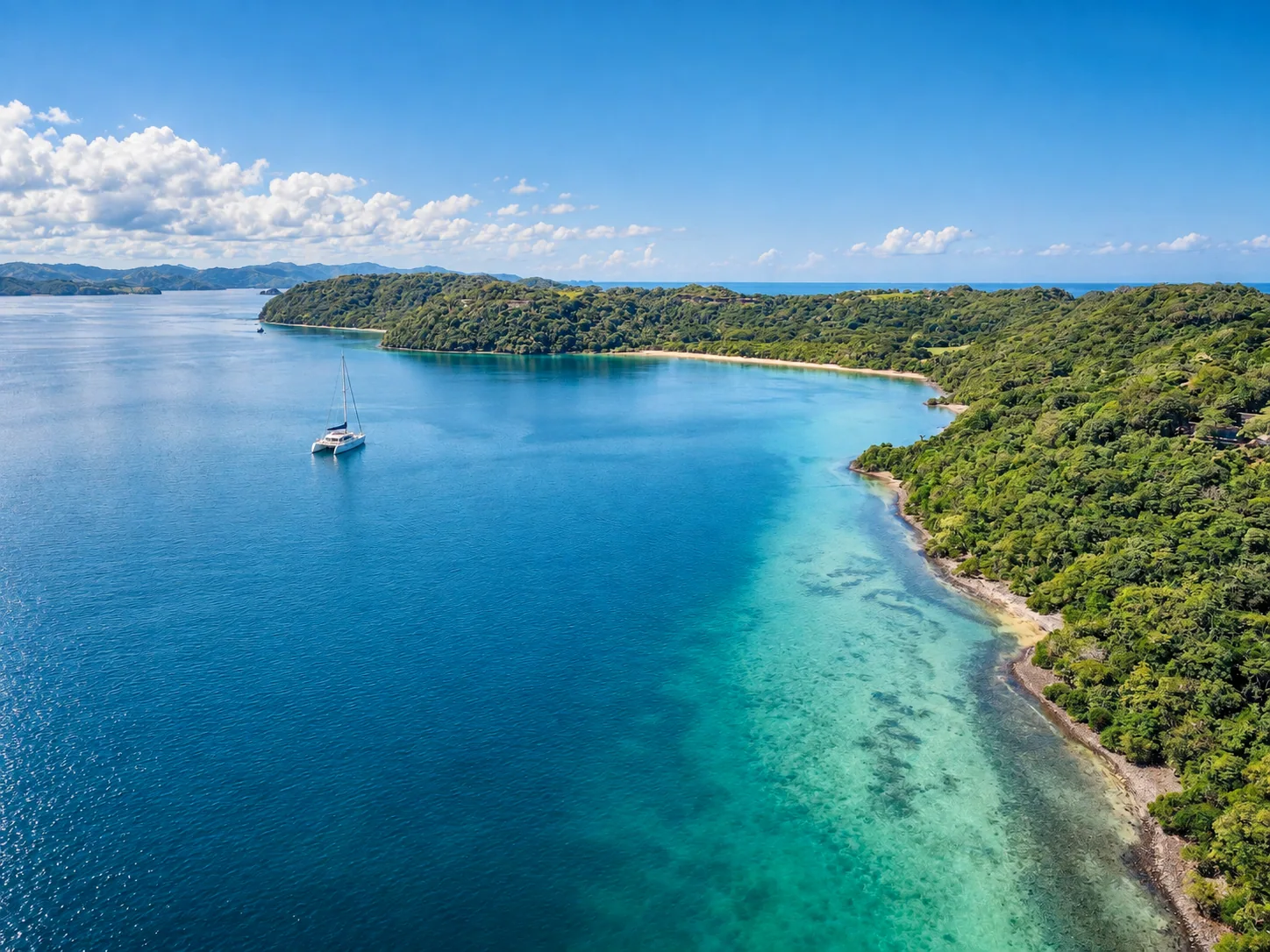
When the visibility turns crystal clear, this little cove has nothing to envy in the world’s most beautiful bays. White sand, vivid water and rocky reefs make for outstanding snorkeling. Some of our most memorable spearfishing days have been here, too. Virador is especially lovely when the Papagayo wind is blowing across the gulf: in that pattern, the cove sits in the lee and can feel surprisingly protected. It is easy to understand why the Four Seasons chose this stretch of coast.
Isla Solar
At the far end of the Papagayo Peninsula sits a tiny island that still feels like a secret. You can only reach Isla Solar by boat, and its golden-sand beach appears at low tide before the sea takes it back. With the little islets scattered around it, the scene can feel almost Balinese. It is one of those places where we are just as happy doing nothing as we are swimming.
Playa Panamá
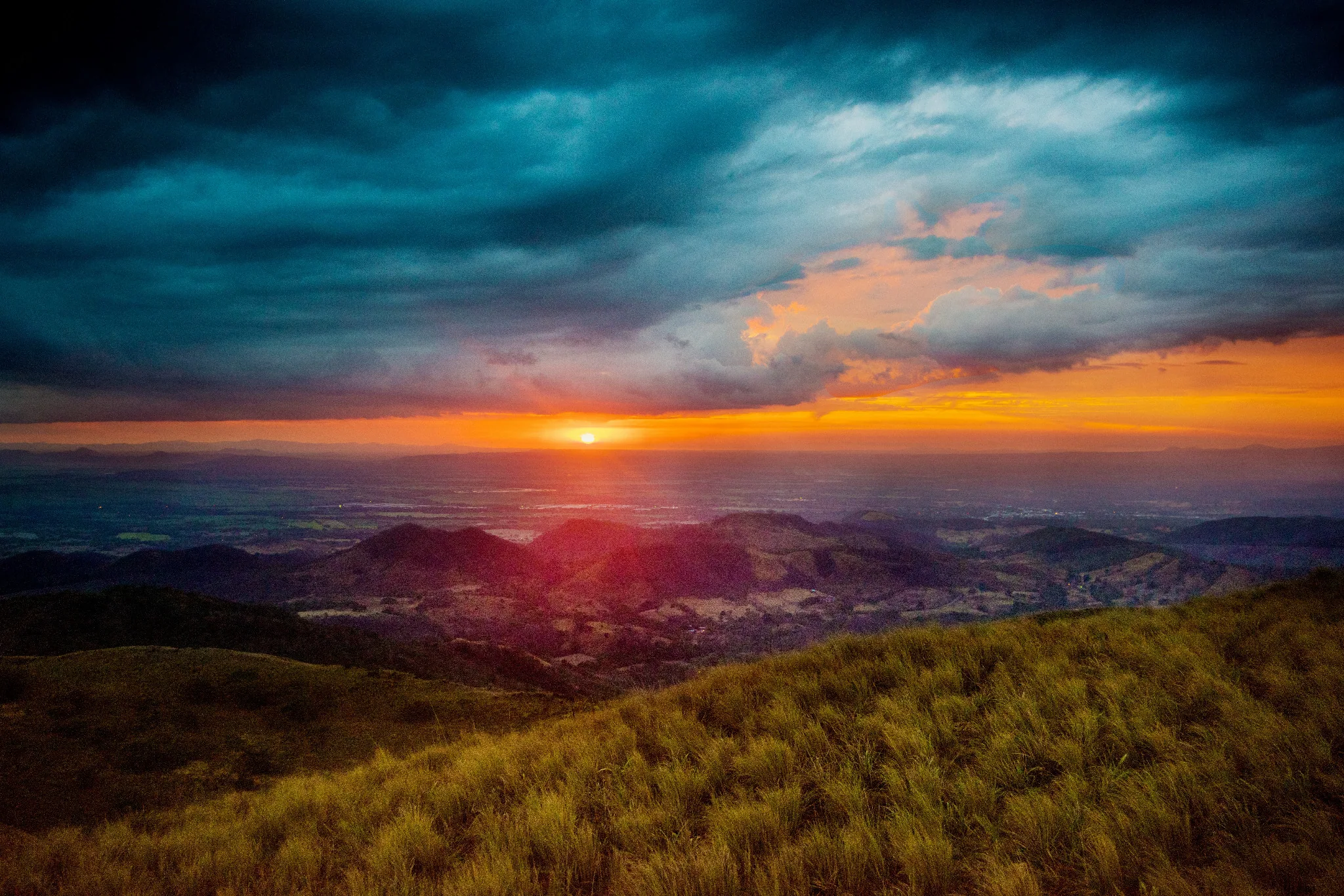
Playa Panamá has never needed to impress us with dramatic scenery. We love its calm water, its easygoing local crowd and the fact that it is only about fifteen minutes by car from Playas del Coco. It is where we made our base. We know the people on this beach, and after so much time at anchor here, we have become part of the scenery ourselves. And when the sun goes down, fishing with live bait can be extraordinary.
Playa Manzanillo
Tucked between Nacascolo and the marina, this tiny beach only reveals itself at low tide. We reach it by boat, slip into the cove and nearly always have it to ourselves. In all our visits, we cannot remember seeing another boat anchored alongside us. We still wonder why. Perhaps some places are simply overlooked, and perhaps that is part of their charm.
Isla Brumel
Out beyond the Potrero and Flamingo coastline, Isla Brumel feels like a postcard anchorage when the conditions line up. The water and rocky bottom make it a beautiful spot for snorkeling and diving, and the island’s small scale adds to the sense of being somewhere special. We particularly like arriving in the morning, ideally with the tide low and the sea settled.
Playa Calzón de Pobre
We first loved this beach for its wonderfully odd name, Calzón de Pobre. Then we saw the place itself: a lovely little pocket of coast that feels more mysterious than its proximity to Coco would suggest. It is gorgeous from the water, and in our experience surprisingly few boats stop to anchor here. It is one of our favorite reminders that you do not have to travel far to find somewhere quiet.
Playa Jícaro
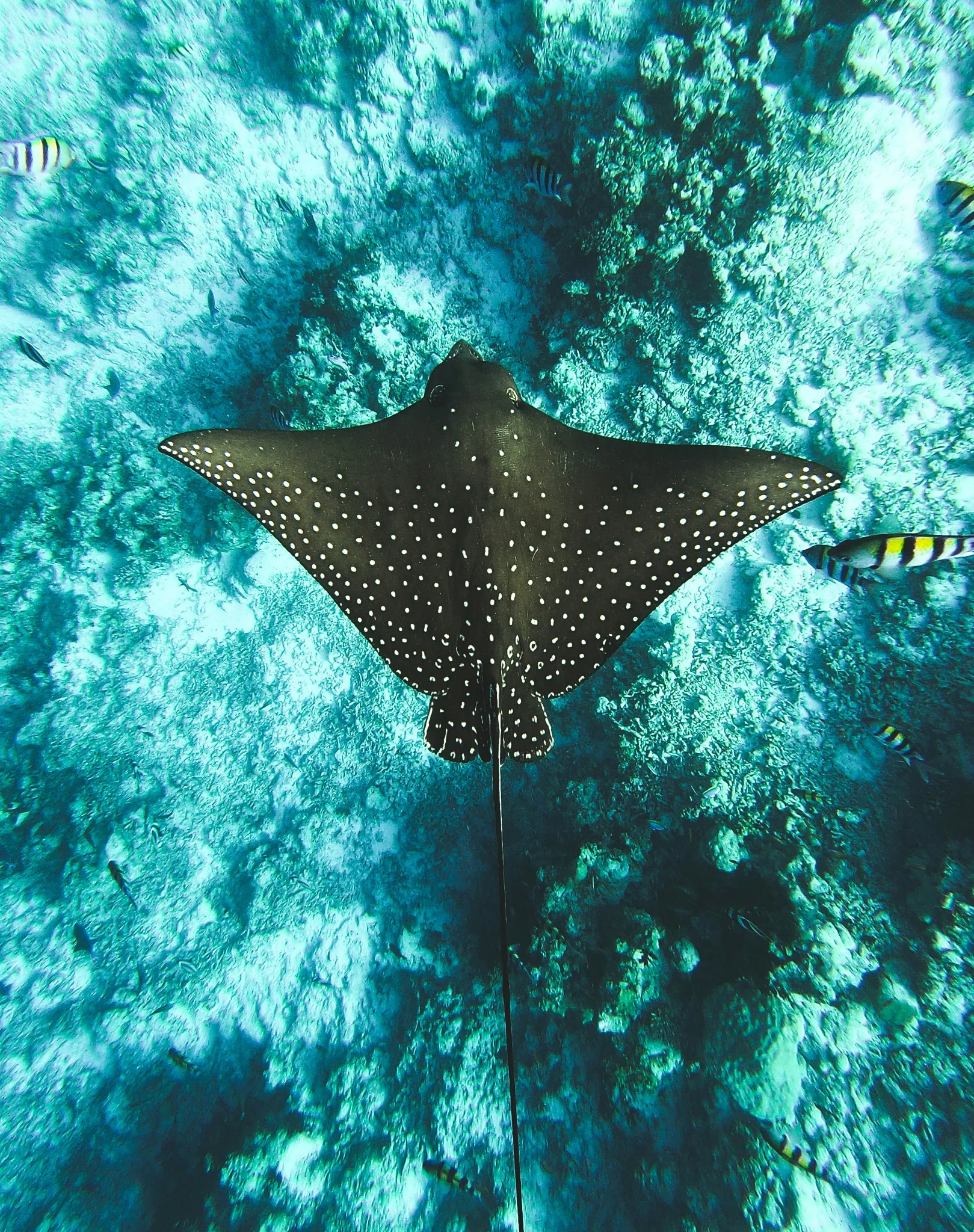
Jícaro is one of our preferred stops when we want calm water and a slow morning. The bay is well sheltered in many conditions, and the sea turtles living around this part of the coast are a gift to anyone who enjoys snorkeling. Seeing one rise quietly from the blue always feels special, even after years here. In the dry season, we tend to favor the morning before the afternoon wind has a chance to build.
Playa Nacascolo
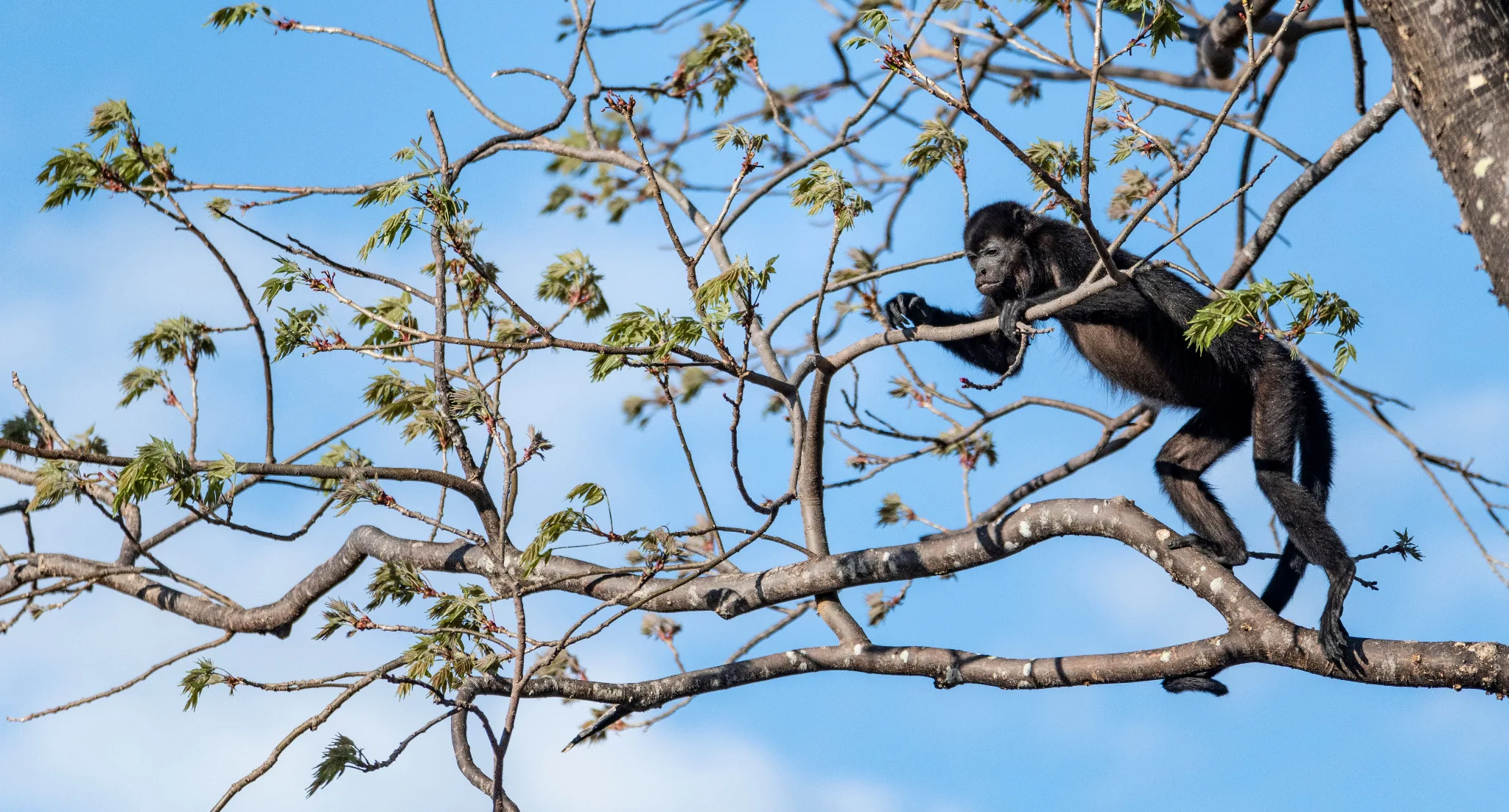
Nacascolo has that rare combination of golden sand, calm water and forest reaching right down to the beach. Capuchins sometimes come close to the shore, and howler monkeys can be heard in the trees. On weekends, there may be skewers or ceviche to enjoy nearby, which makes the stop feel particularly local. Along with Jícaro, it is one of the bays we value as a sheltered anchorage during unsettled weather, although no spot is safe in every storm.
A few things worth knowing before you go
During the dry season, the Papagayo wind can pick up in the afternoon. We often choose the morning for Jícaro and Nacascolo, and more sheltered coves like Virador when the wind is blowing.
Isla Solar and Manzanillo reveal their little beaches at low tide. Plan with the tide, keep an eye on your depth and never assume a landing is possible all day.
Jícaro and Nacascolo can be valuable sheltered stops in rougher weather, but neither should be treated as a guaranteed hurricane or storm shelter. Follow local forecasts, charts, restrictions and the advice of an experienced captain.
Avoid anchoring on reefs, keep a respectful distance from turtles and monkeys, and check where fishing or spearfishing is permitted before doing either.
Want to see them from the water?
Tell us where you are staying and what you enjoy most: quiet coves, snorkeling, wildlife or simply an unhurried day at anchor. We will suggest a route that fits the conditions.
Plan your stay →Helpful references: Guanacaste attractions (Costa Rica Tourism Board) · Rincón de la Vieja (SINAC). Hours, conditions and access can change; always check before you go.